Project 5: Diffusion Models
December 13, 2025
Overview
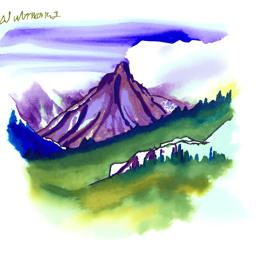
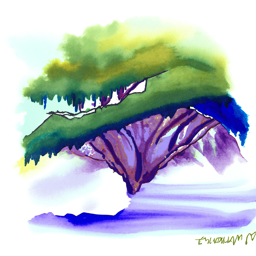
Mountain and Tree Flip Image
Part 0: Text-to-Image (DeepFloyd)
Random seed: 1024
Prompts:
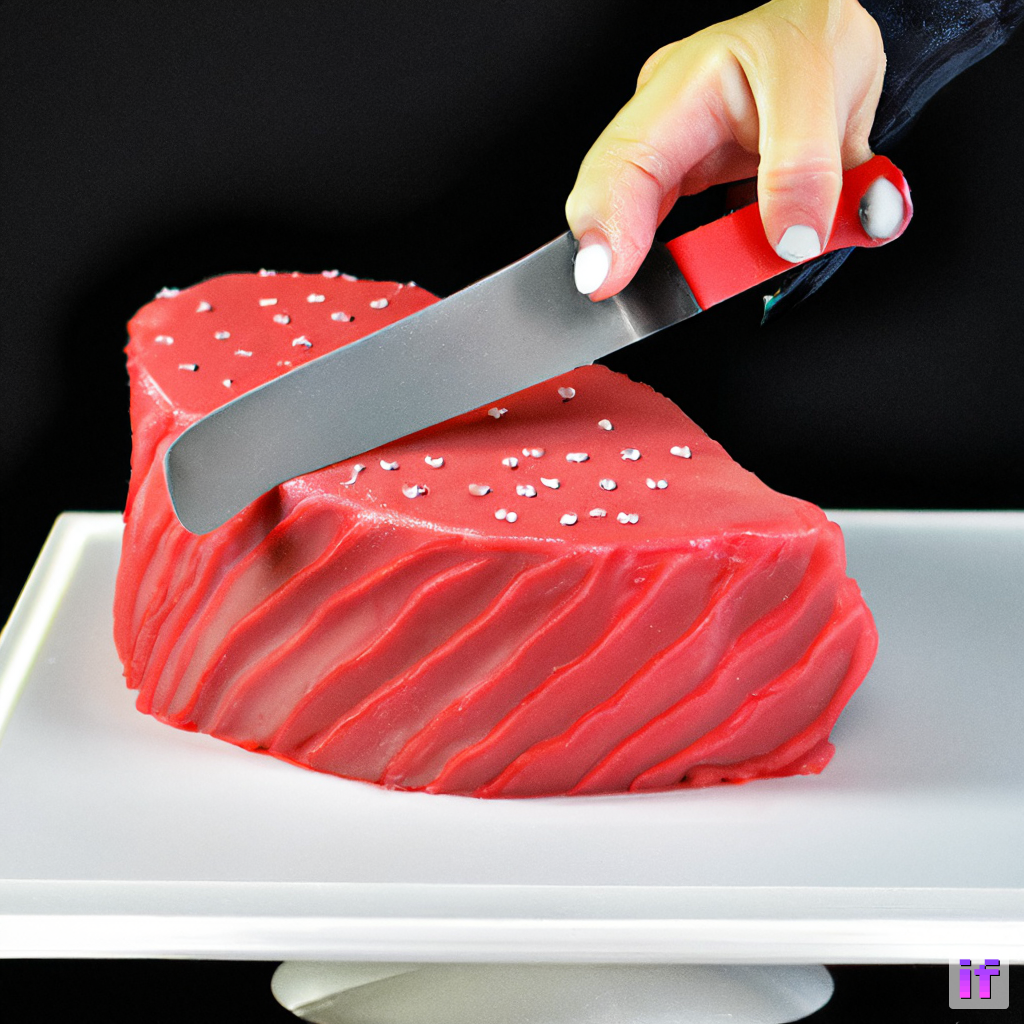
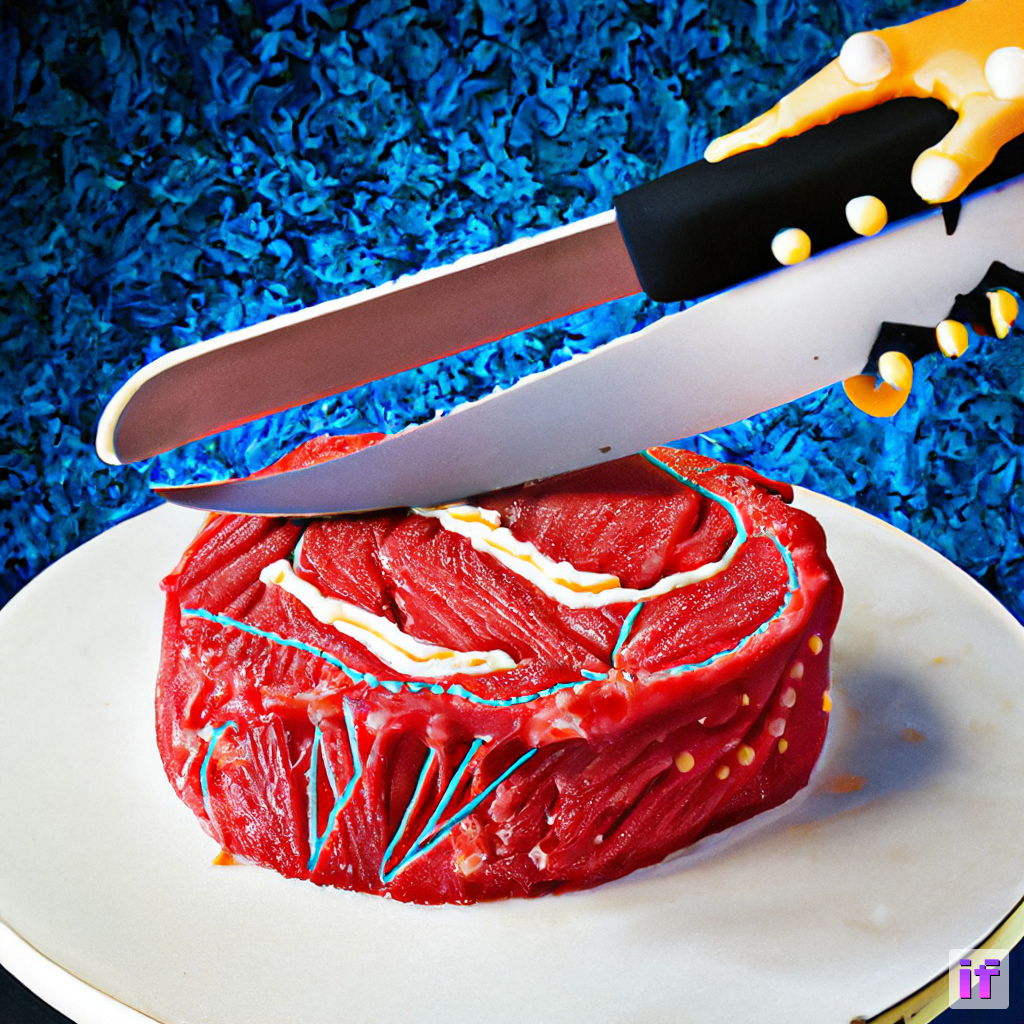
- hands using a figure skate as a knife to cut into a hyper-realistic raw steak-shaped cake
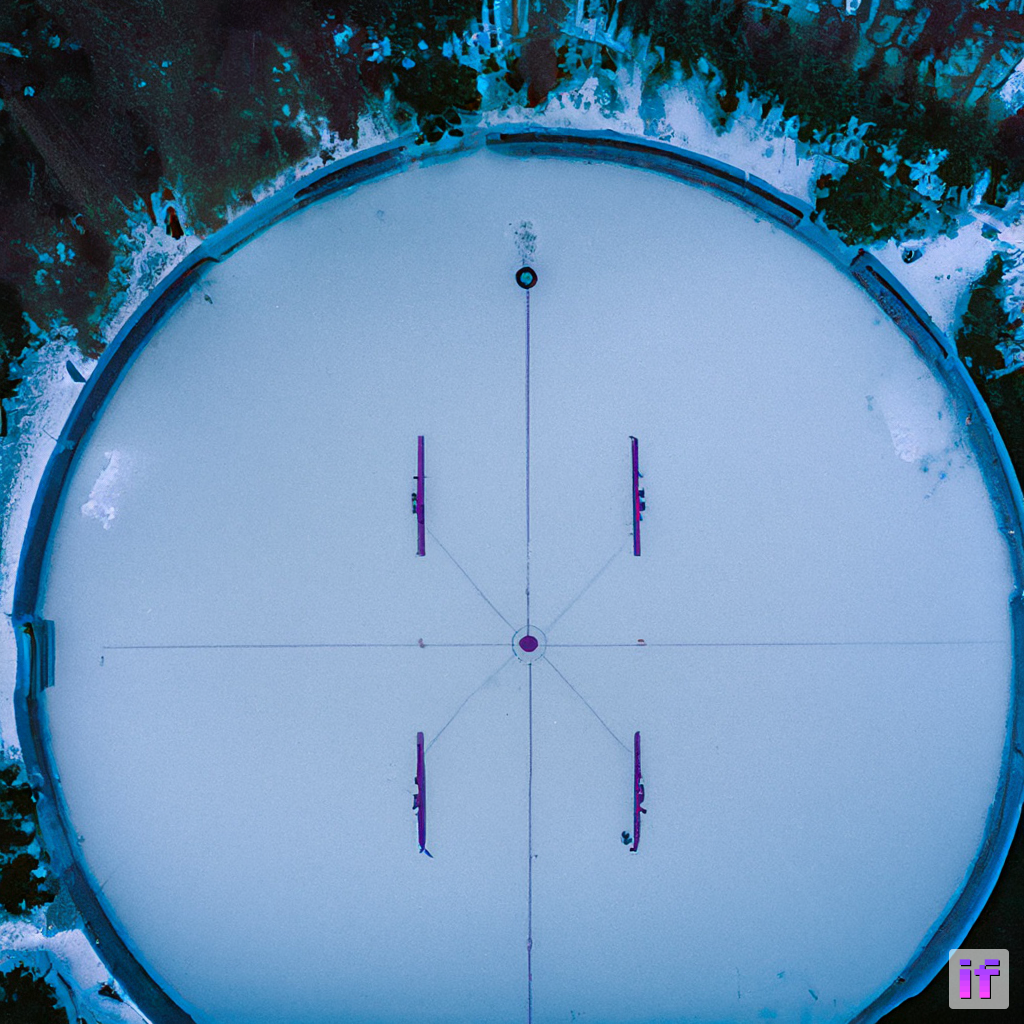
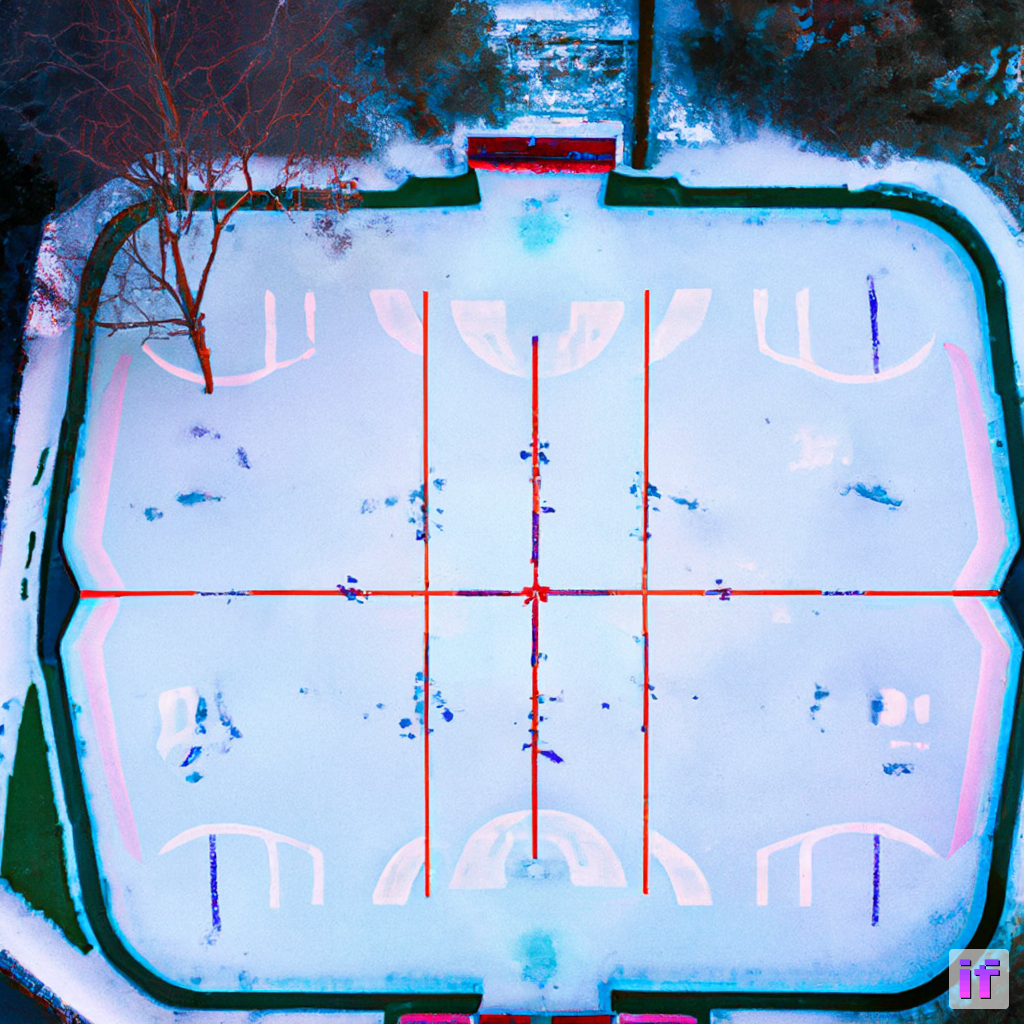
- an overhead drone-scan style view of an abandoned ice-skating rink at dawn, the ice cracked and reflecting the first light, faint figure skating loops etched on it, muted pastel palette
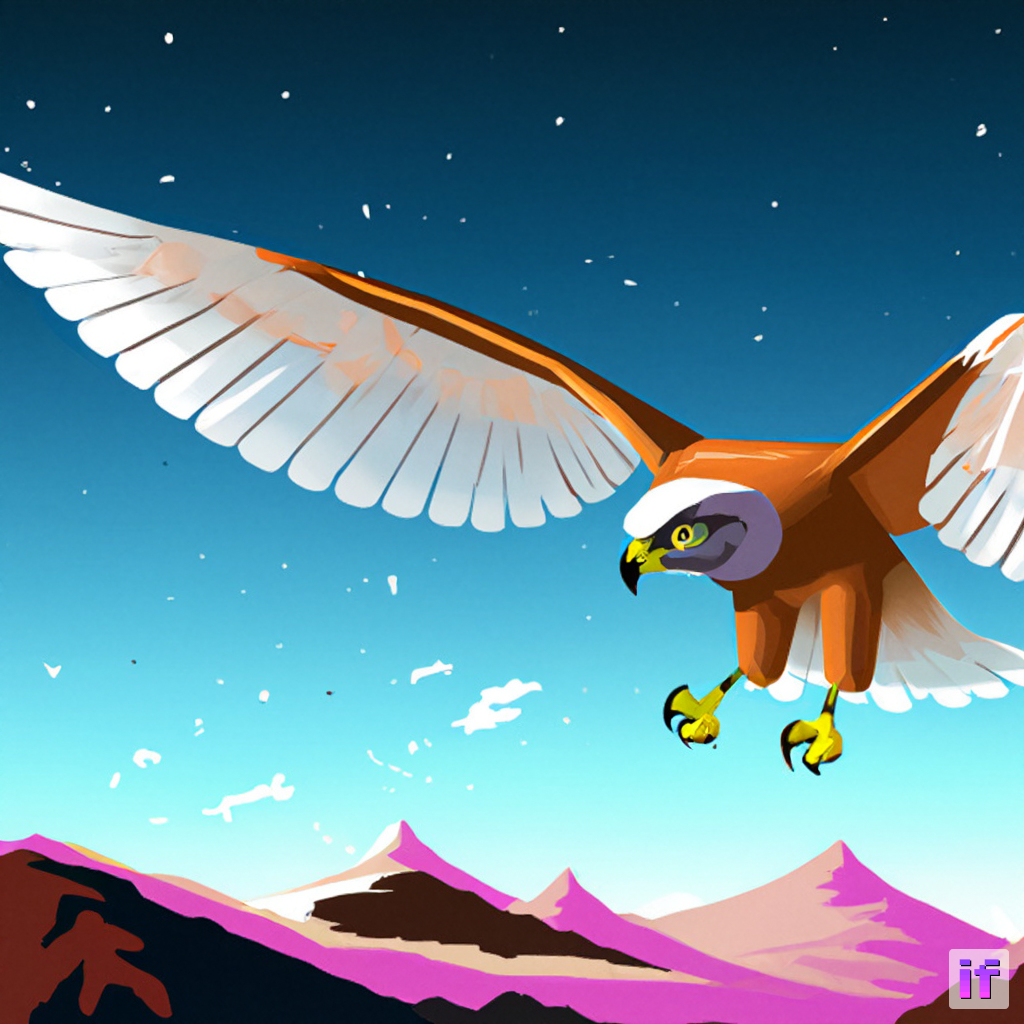
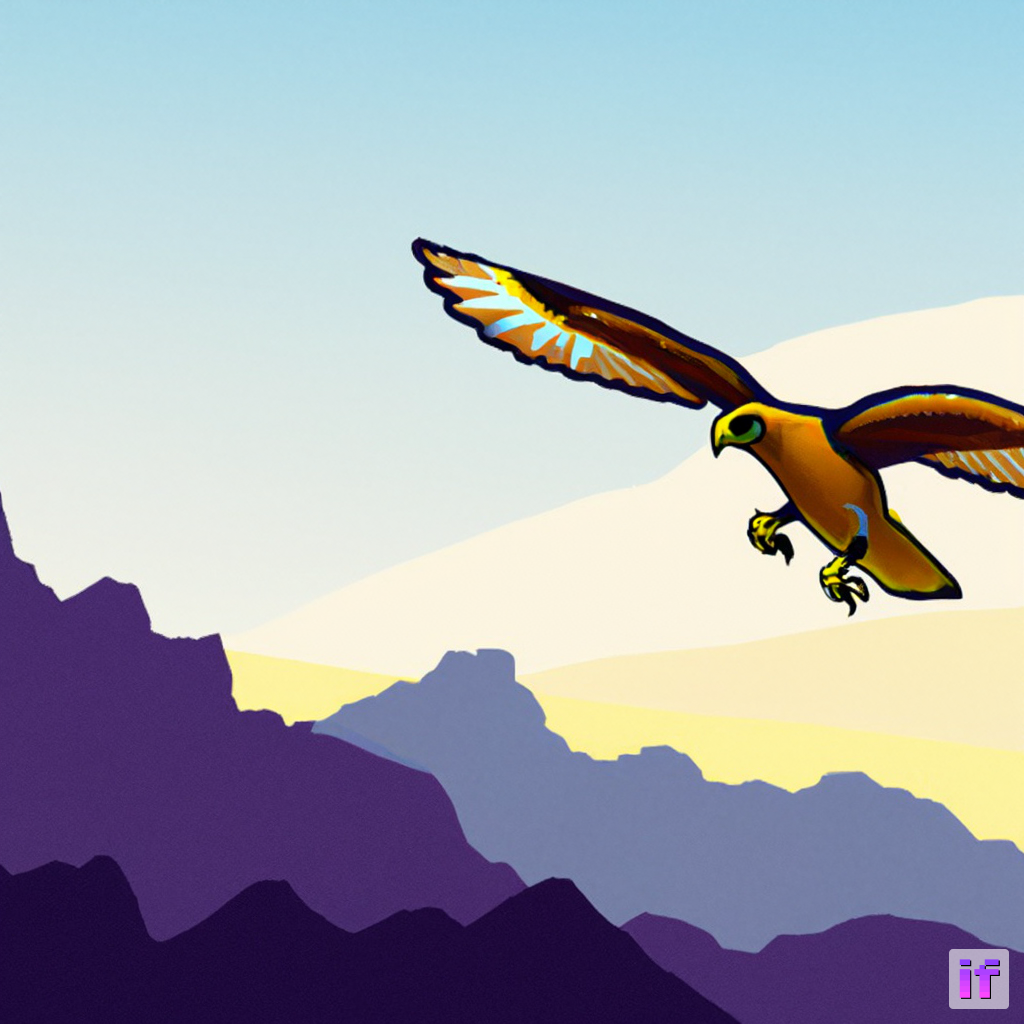
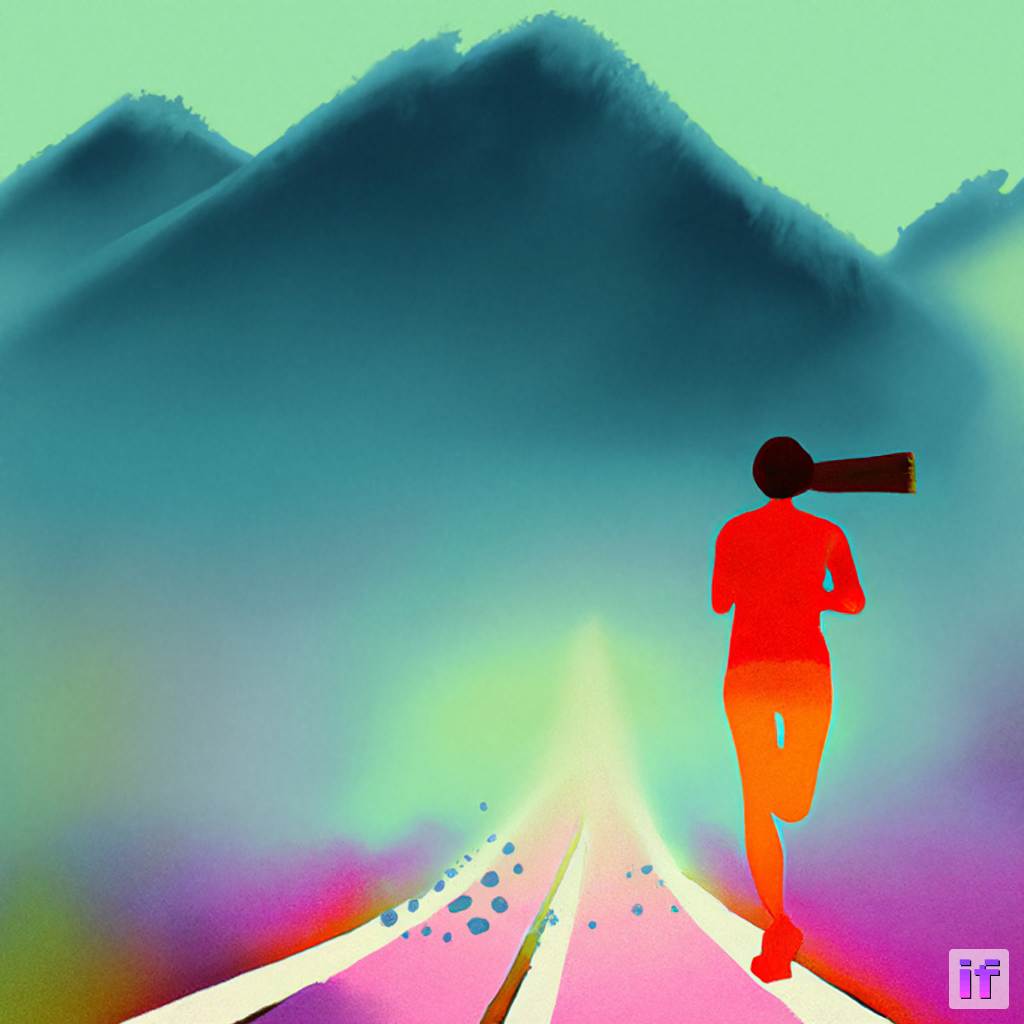
- a translucent hawk soaring over mountains, its wings filled with floating code snippets instead of feathers
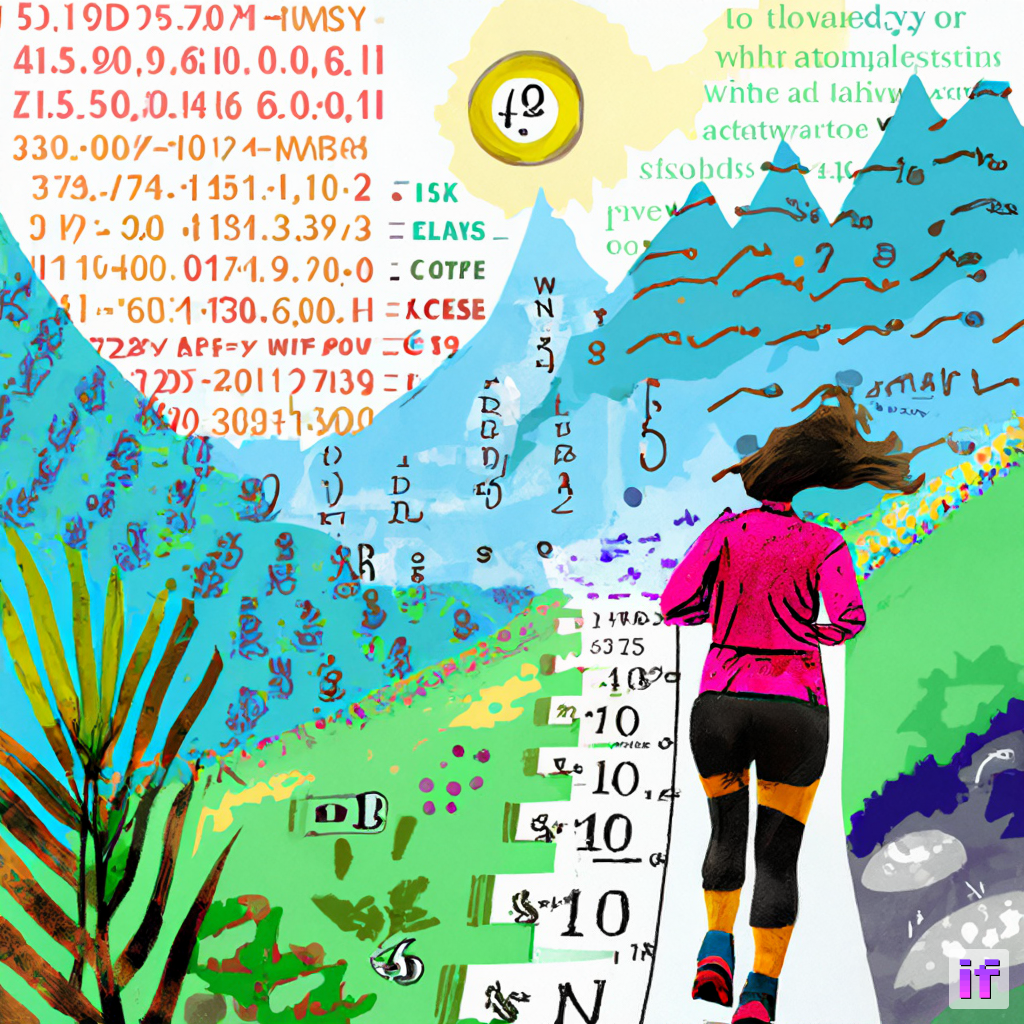
- a mixed-media style portrait of a girl running statistical regressions on a foggy mountain trail, numbers dissolving into mist
Reflection: More inference steps improved quality; long/abstract prompts introduced more mistakes/strangeness.
1.1 Forward Process (Adding Noise)
Increasing noise on the Campanile via the forward diffusion process.


Gaussian blur struggles to recover structure from heavily noised inputs.


1.3 One-Step Denoising
Single UNet denoise pass recovers detail but degrades as noise increases.


1.4 Iterative Denoising
Strided timesteps progressively denoise toward the clean estimate.


1.5 Diffusion Sampling
Unconditional samples from noise (prompt: "a high quality photo").


1.6 Classifier-Free Guidance
CFG boosts fidelity; sampling with guidance scale > 1.


1.7 SDEdit / Image-to-Image
Denoising with different start noise levels (higher = less edits).


1.7.1 Editing Web & Hand-Drawn Inputs
Progression from low to high noise starts


1.7.2 Inpainting
Filling masked regions while preserving context. From left to right: Original, Mask, Hole, Inpainted.







1.7.3 Text-Conditional Translation
Guided edits from different noise levels; Lower noise looks more like text, higher noise looks more lke image.
Prompt: "A pixel art style image, with high pixel density"




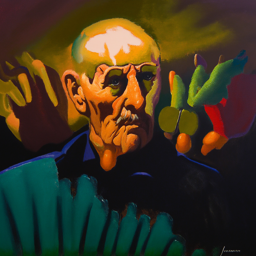
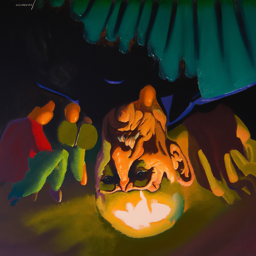
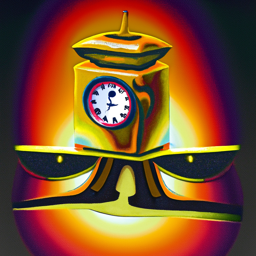
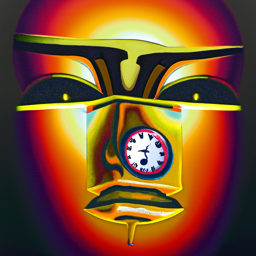
1.8 Visual Anagrams
Images that flip into a different concept when rotated 180°. Each row shows the original orientation and flipped version at different resolutions.
64×64 resolution


256×256 resolution
1.9 Hybrid Images
Combining low- and high-frequency noise estimates to blend two prompts.
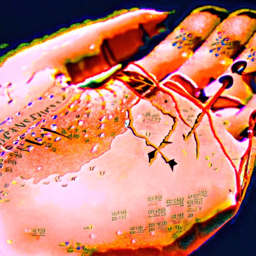
Palm × Map hybrid
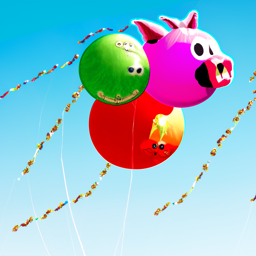
Balloon × Pig hybrid
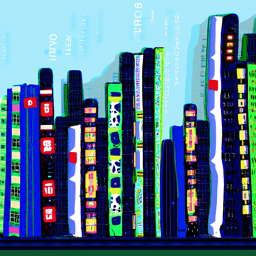
Landscape × Bookshelf hybrid
Part B: Training a Diffusion Model from Scratch
Implementing and training UNet-based denoising and flow matching models on MNIST.
Part 1.2: Training a UNet-based Denoiser
Visualizing the noising process and training a UNet to denoise MNIST digits at σ = 0.5.
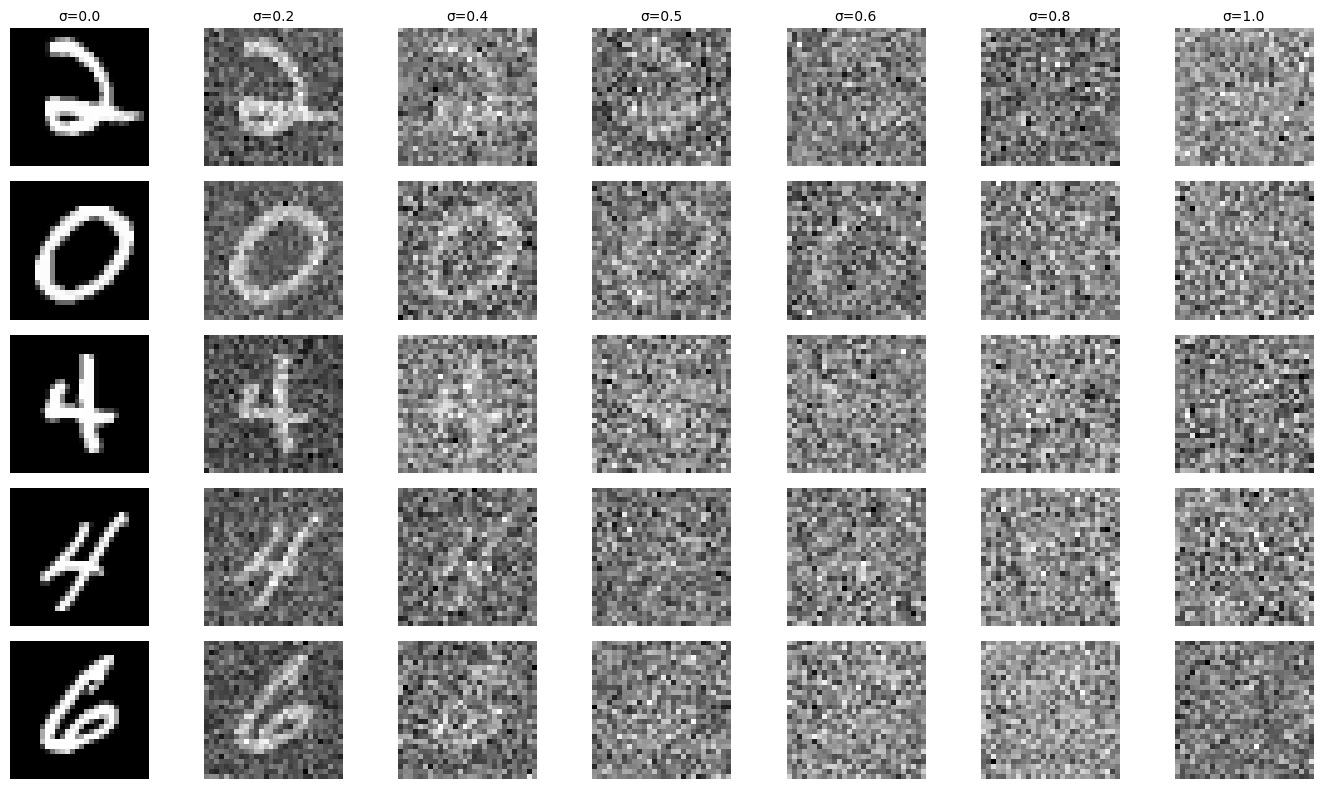
Noising process at different σ levels
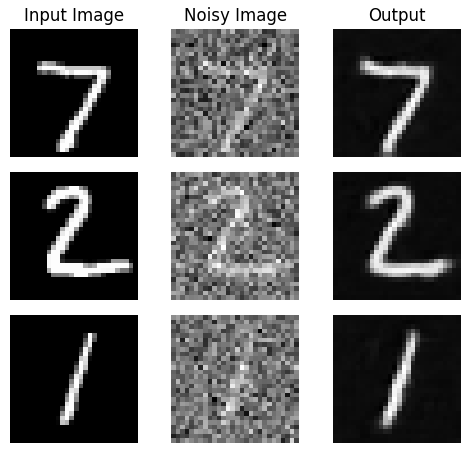
Epoch 1
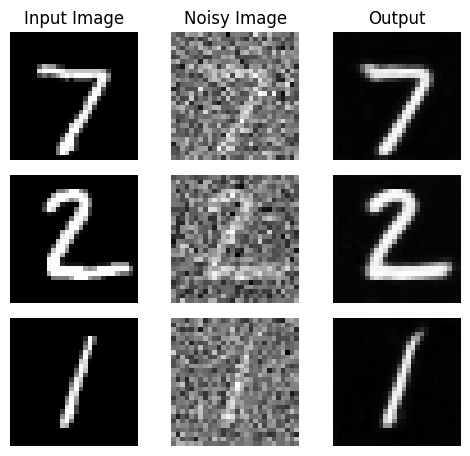
Epoch 5
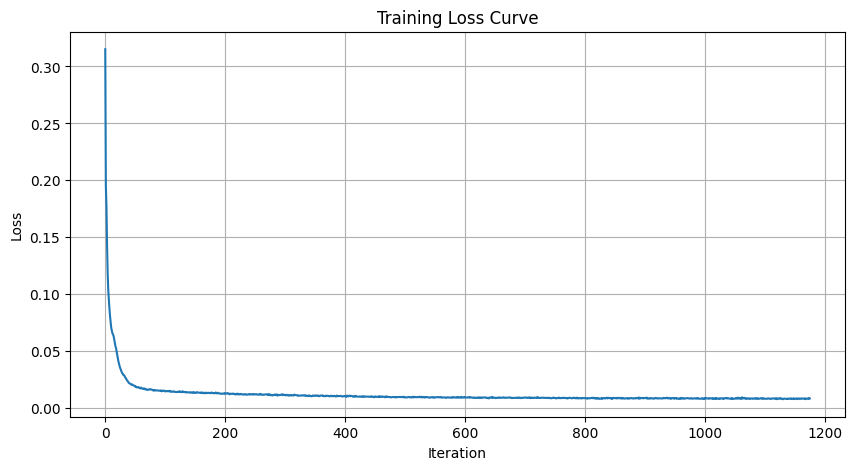
Training loss curve
Part 1.2.2: Out-of-Distribution Testing
Testing the denoiser on varying noise levels it wasn't trained on.
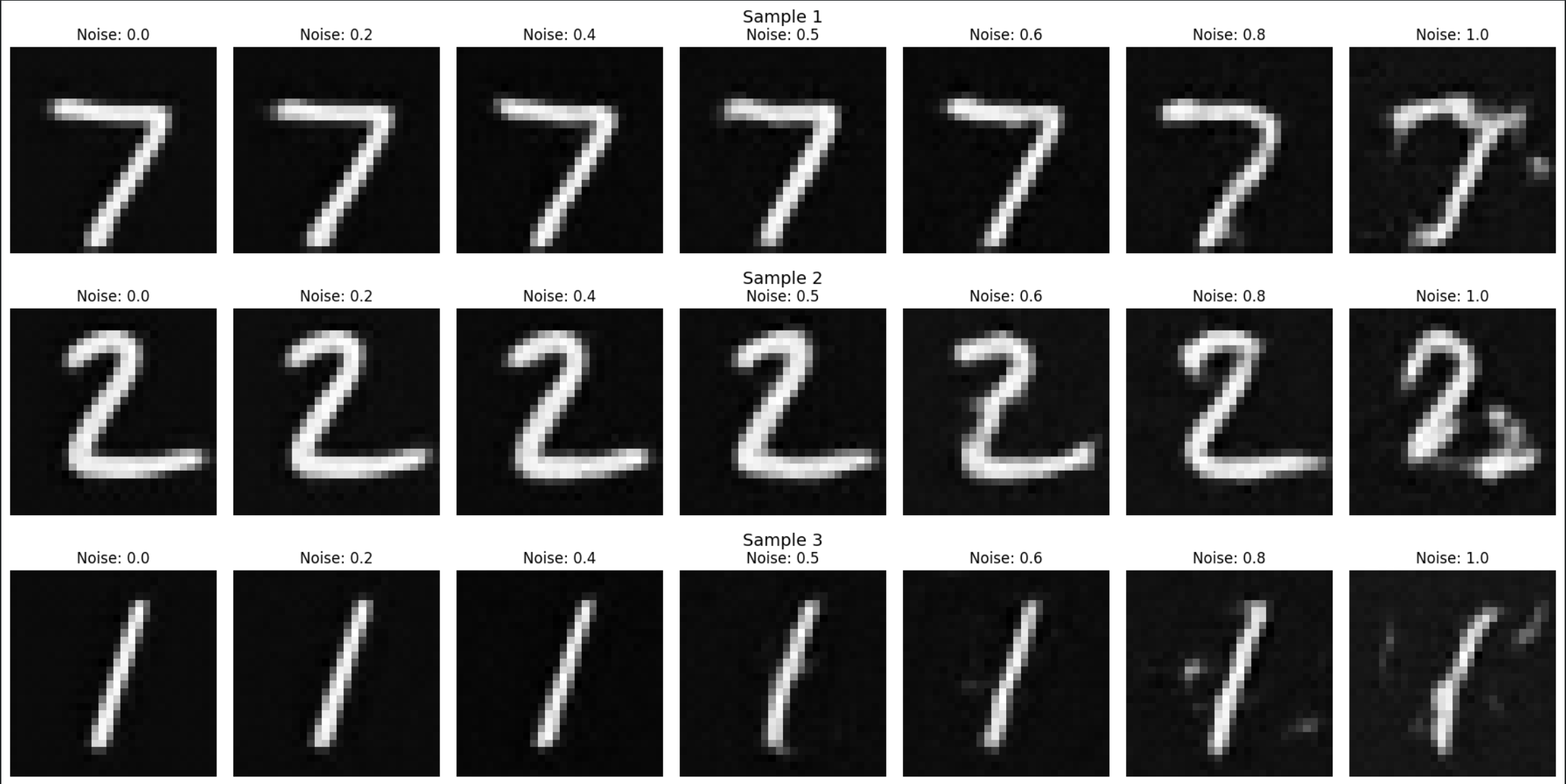
Performance across different σ values
Part 1.2.3: Denoising Pure Noise
Training a denoiser to denoise pure noise. The patterns observed in the generated outputs seem to resemble an average of the MNIST digits stacked on top of each other This is likely because there is no prior information about the digits in each noise sample. Thus, to minimize loss, the denoiser has to learn the average of the digits.
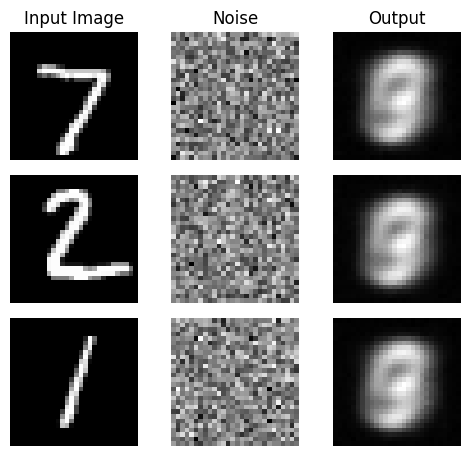
Epoch 1
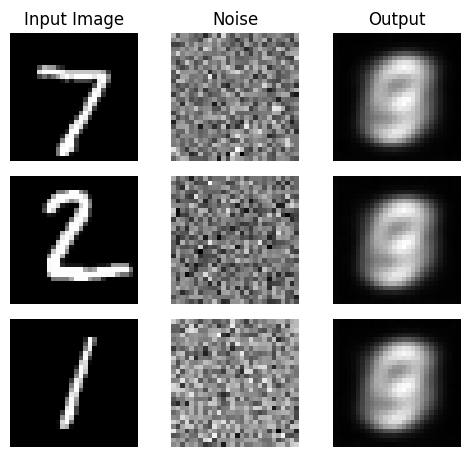
Epoch 5
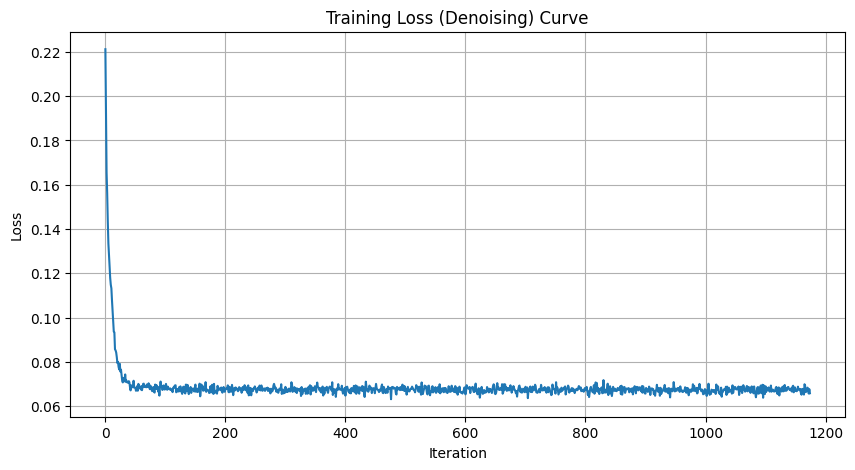
Training loss over 5 epochs
Part 2: Flow Matching Model
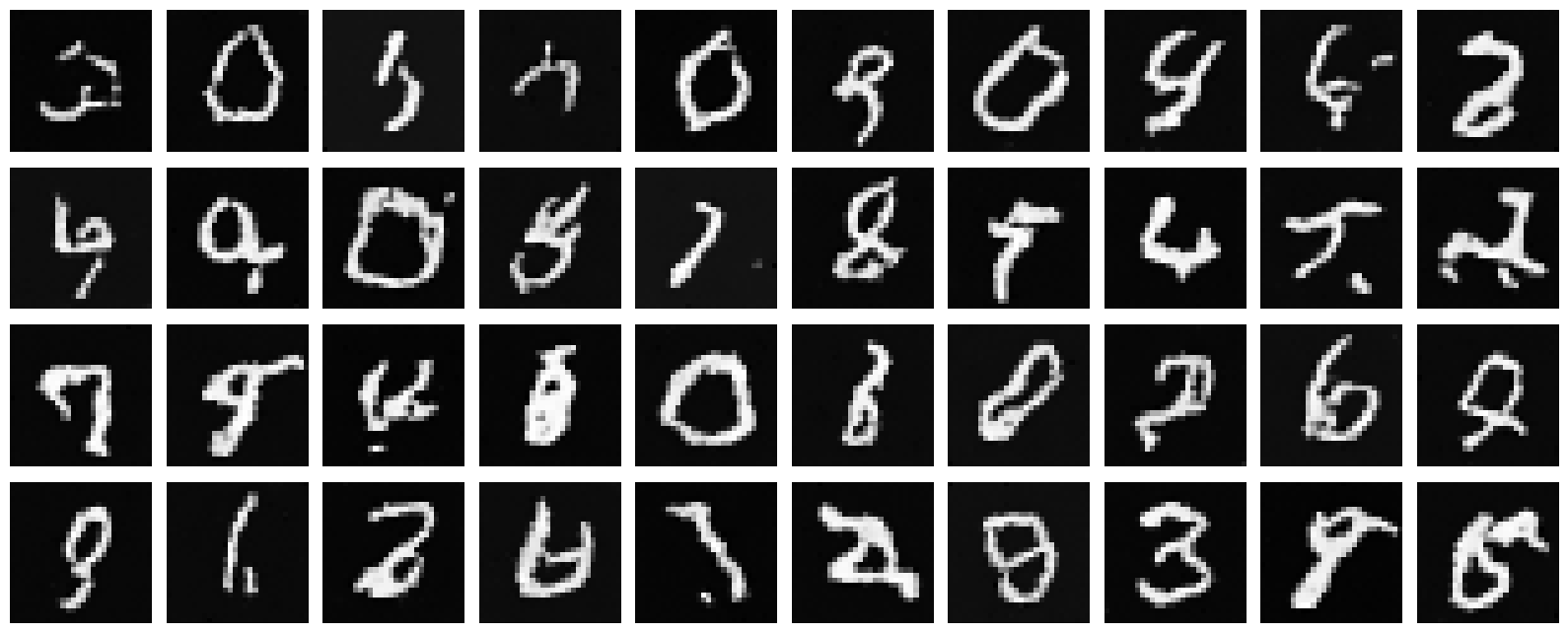
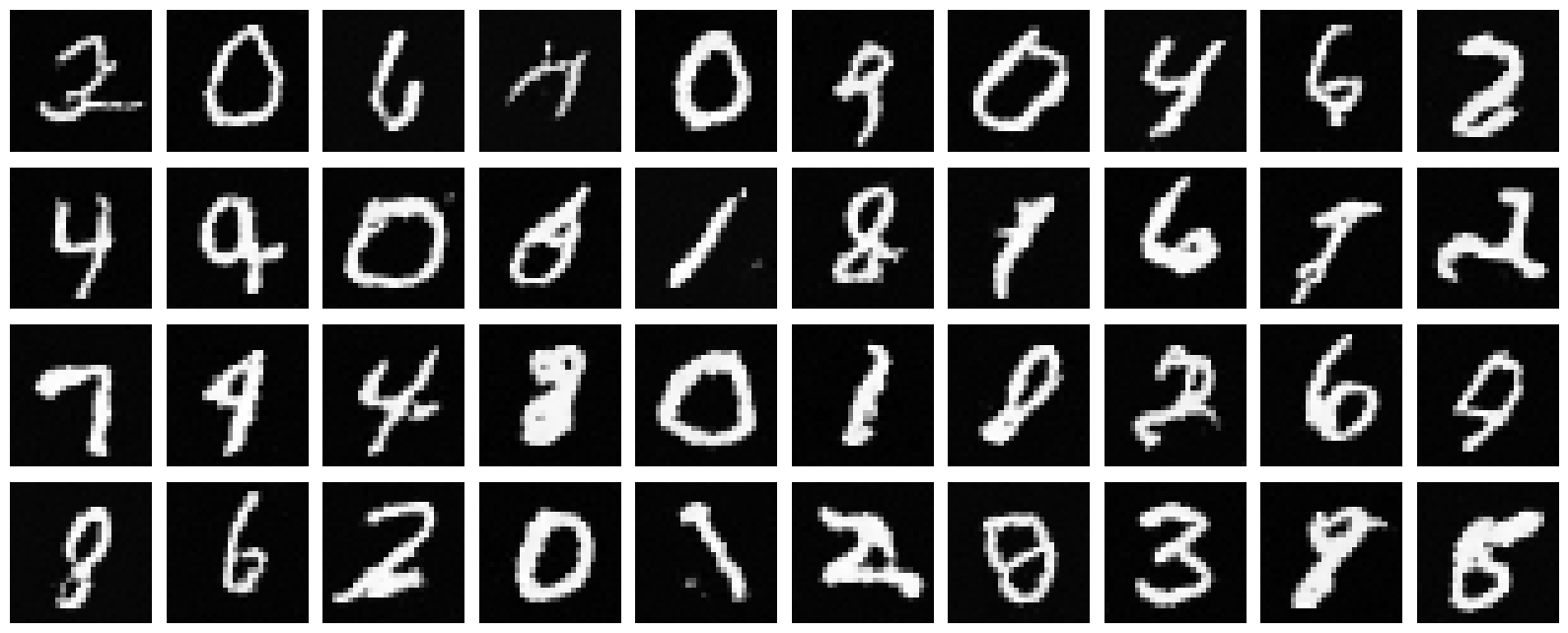
2.3: Time-Conditioned UNet
Training a time-conditioned UNet to predict flow from noisy to clean data.
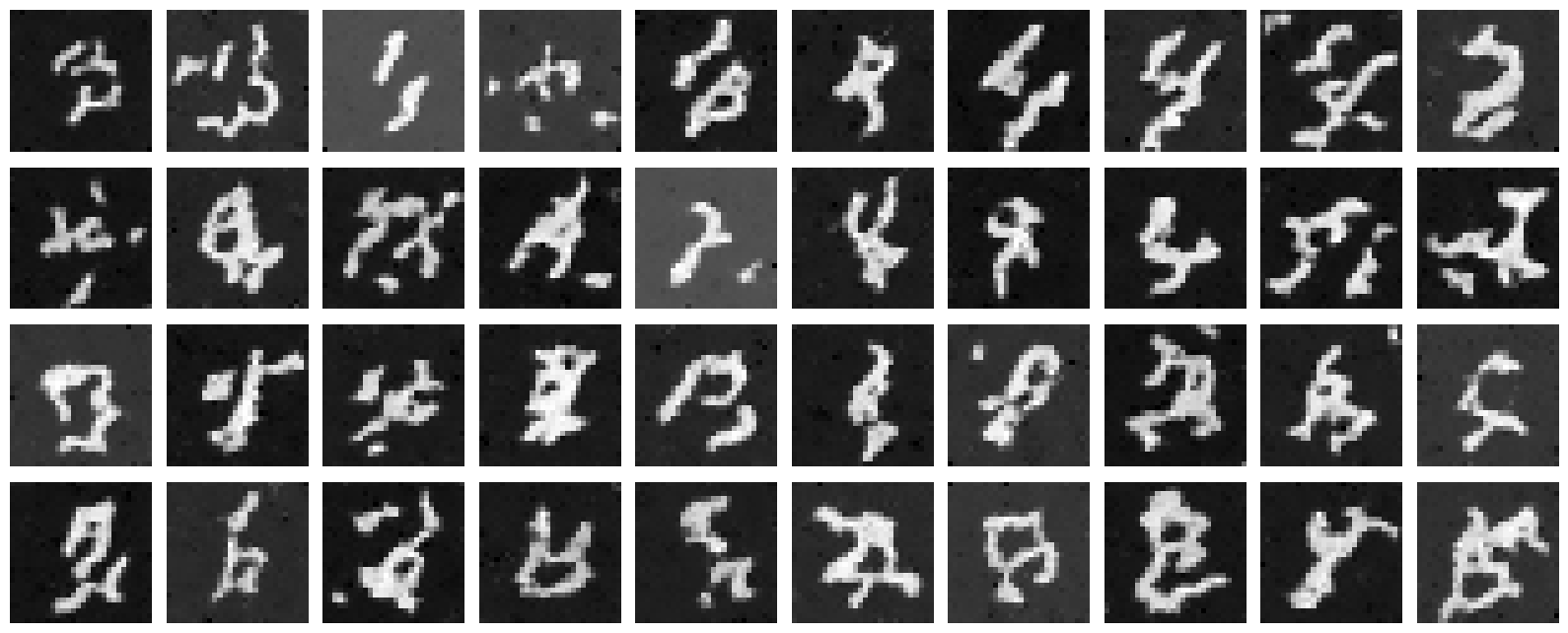
Epoch 1
Epoch 5
Epoch 10
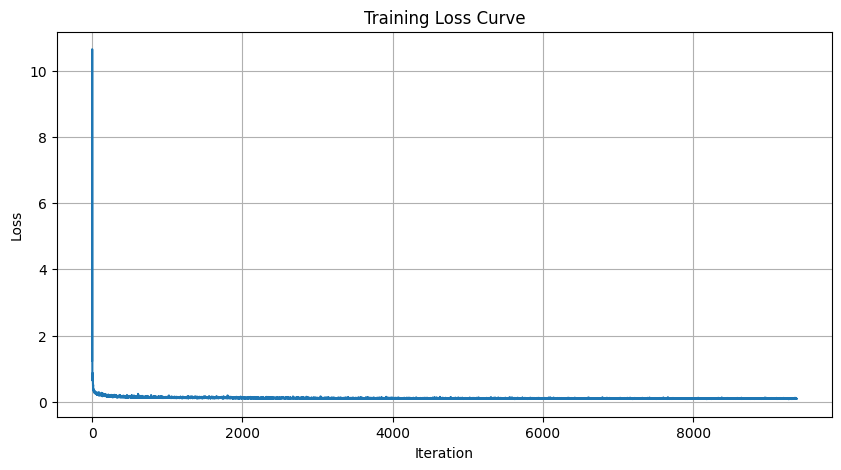
Training loss curve
2.6: Class-Conditioned UNet with CFG
Adding class conditioning to control digit generation with classifier-free guidance.
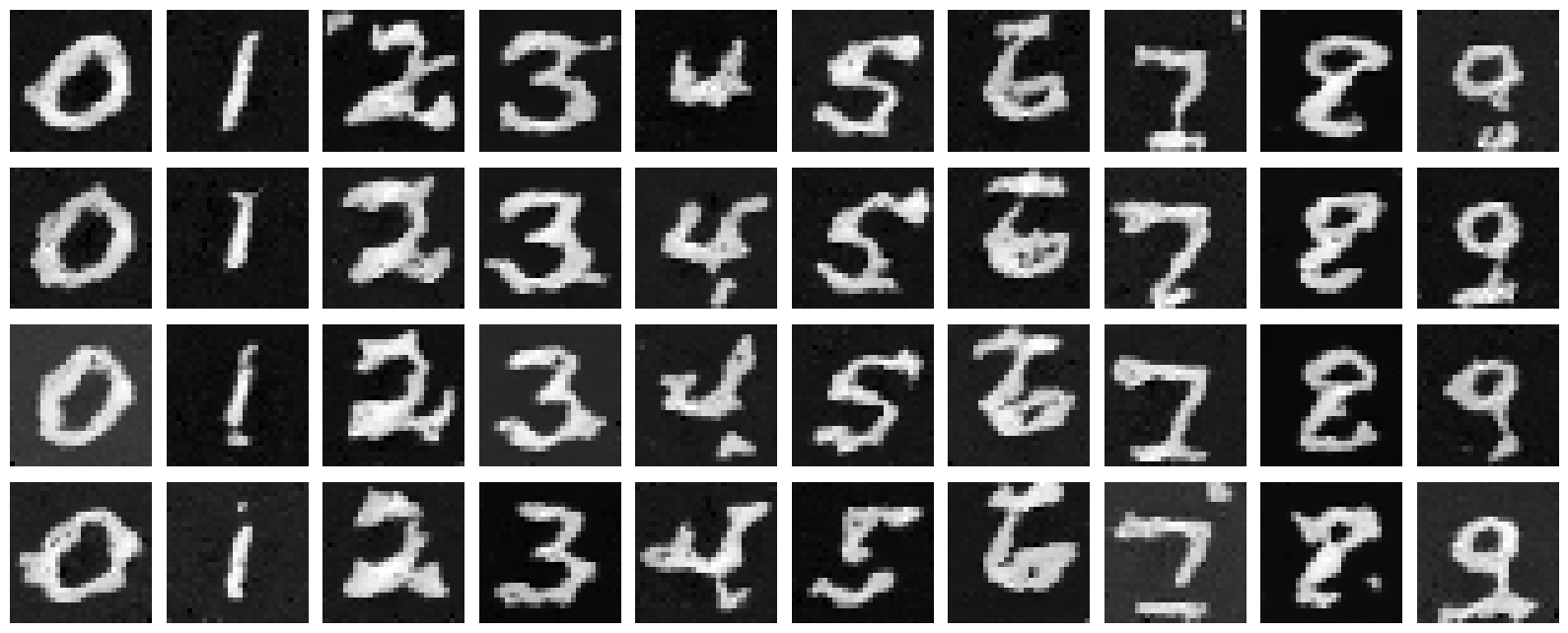
Epoch 1
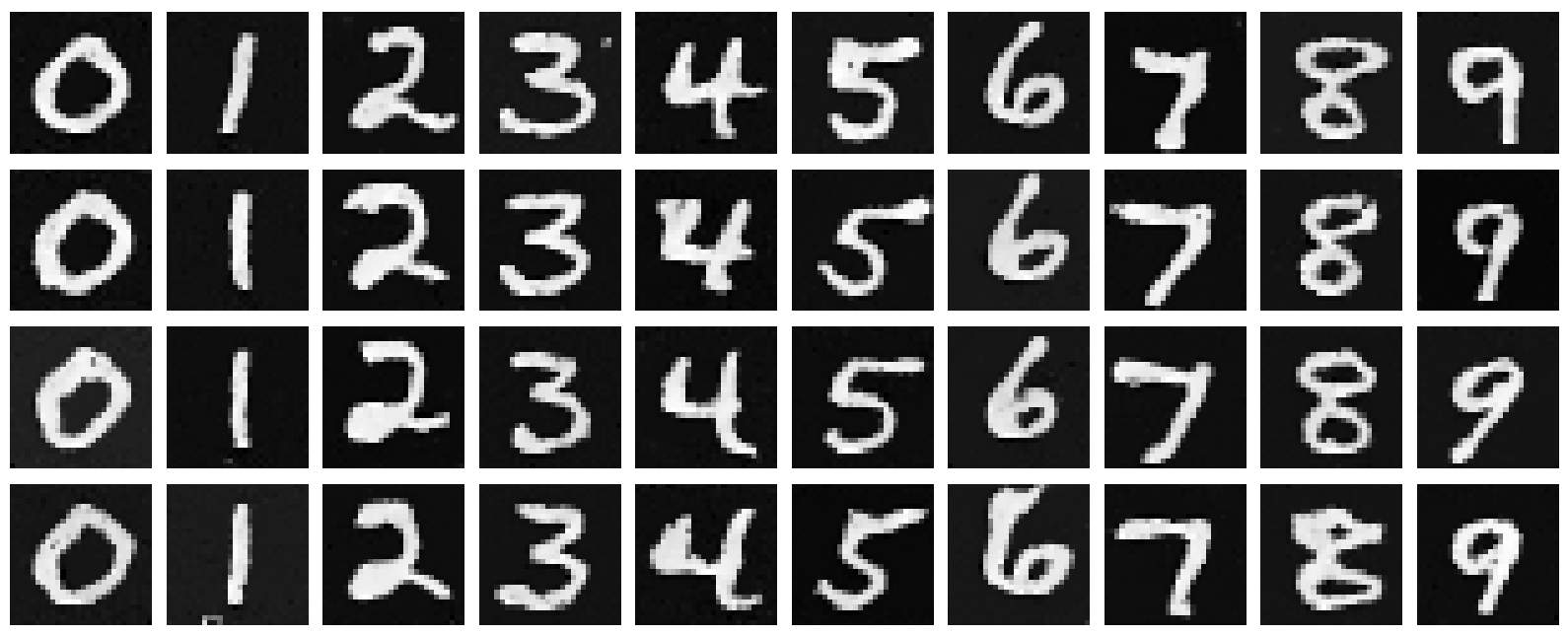
Epoch 5
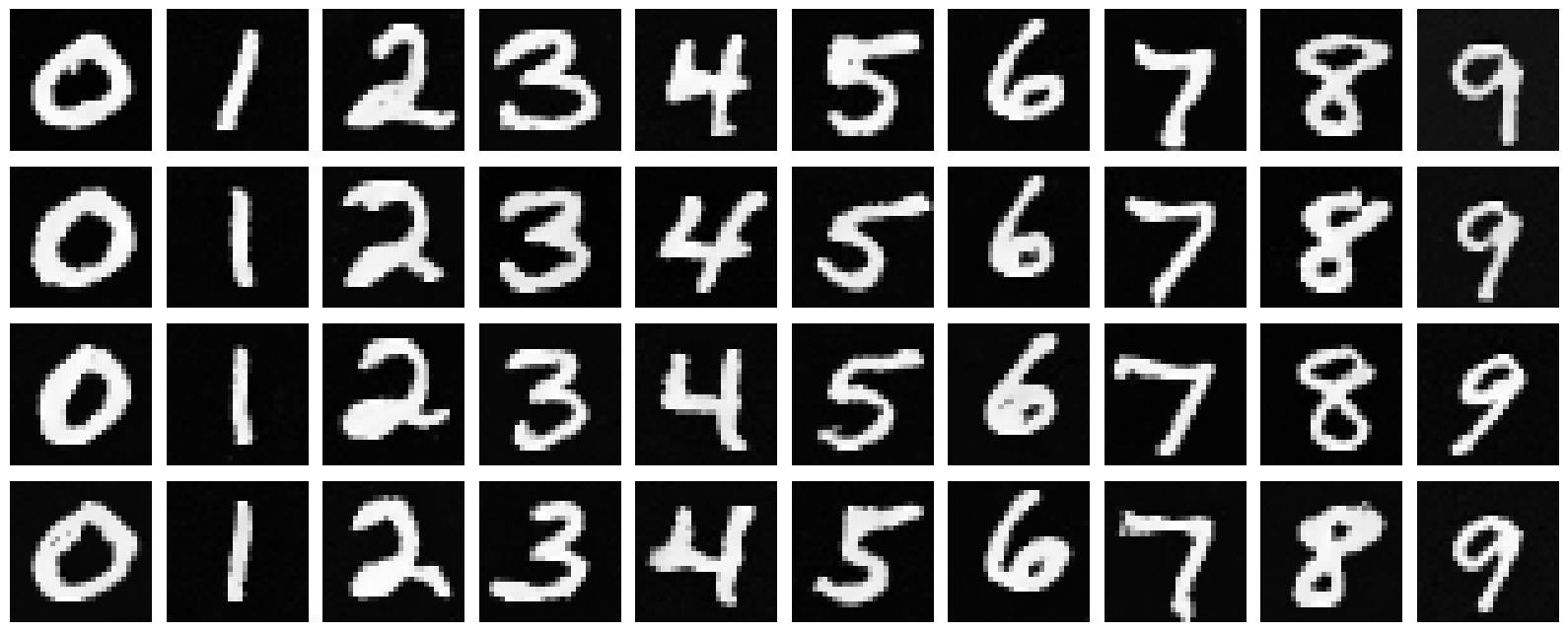
Epoch 10
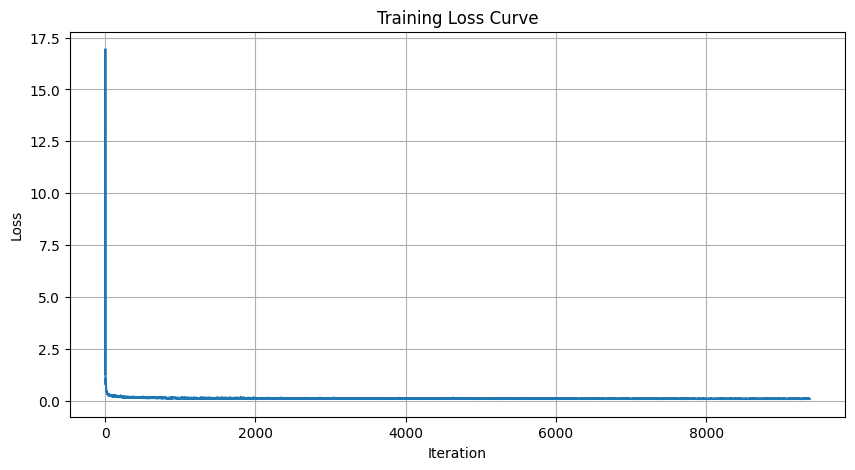
Training loss curve
Training Without LR Scheduler
Compensating for removal of exponential learning rate decay by lowering the learning rate to 5e-3.
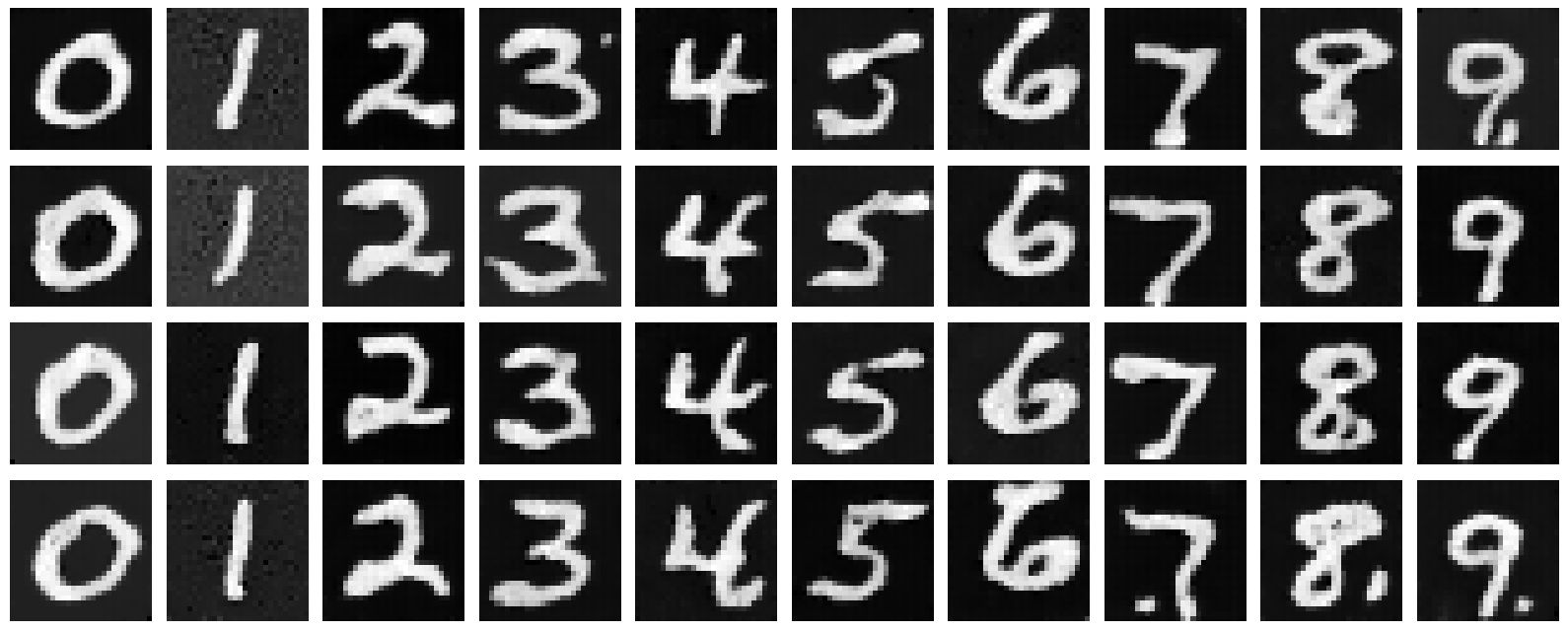
Epoch 1
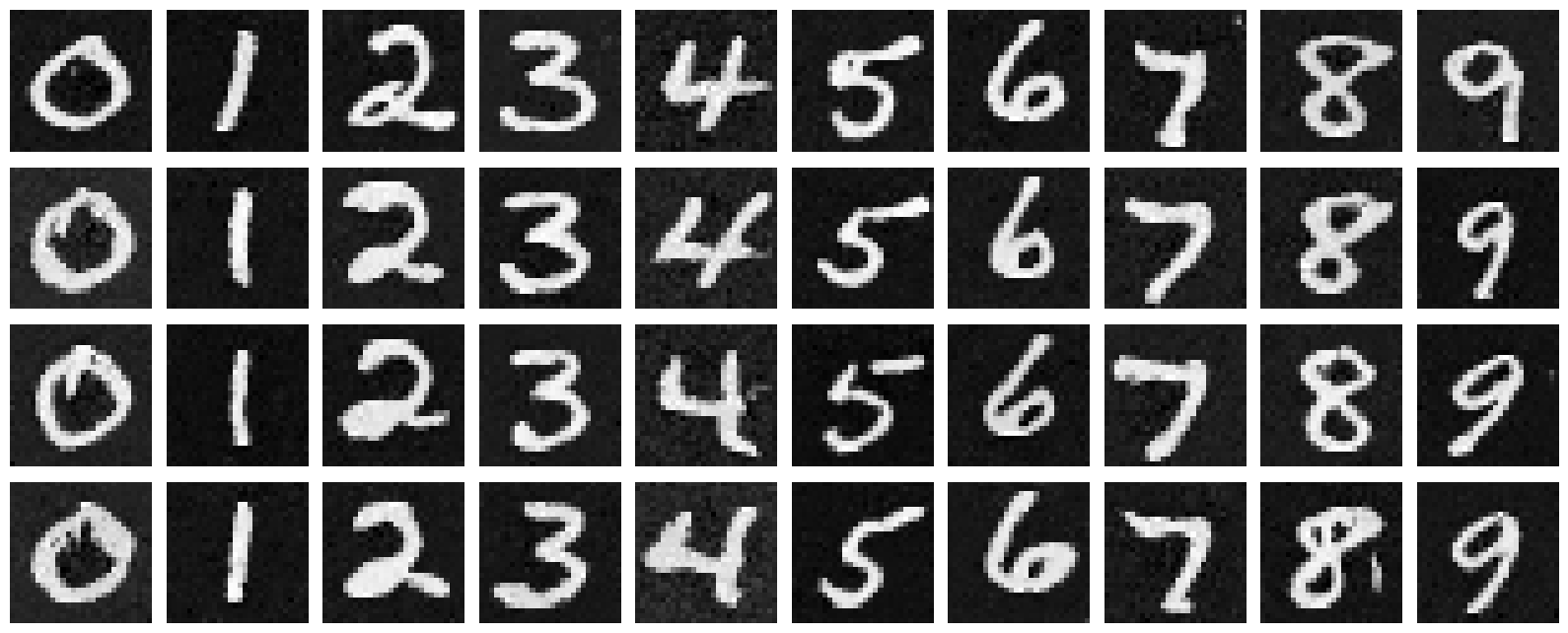
Epoch 5
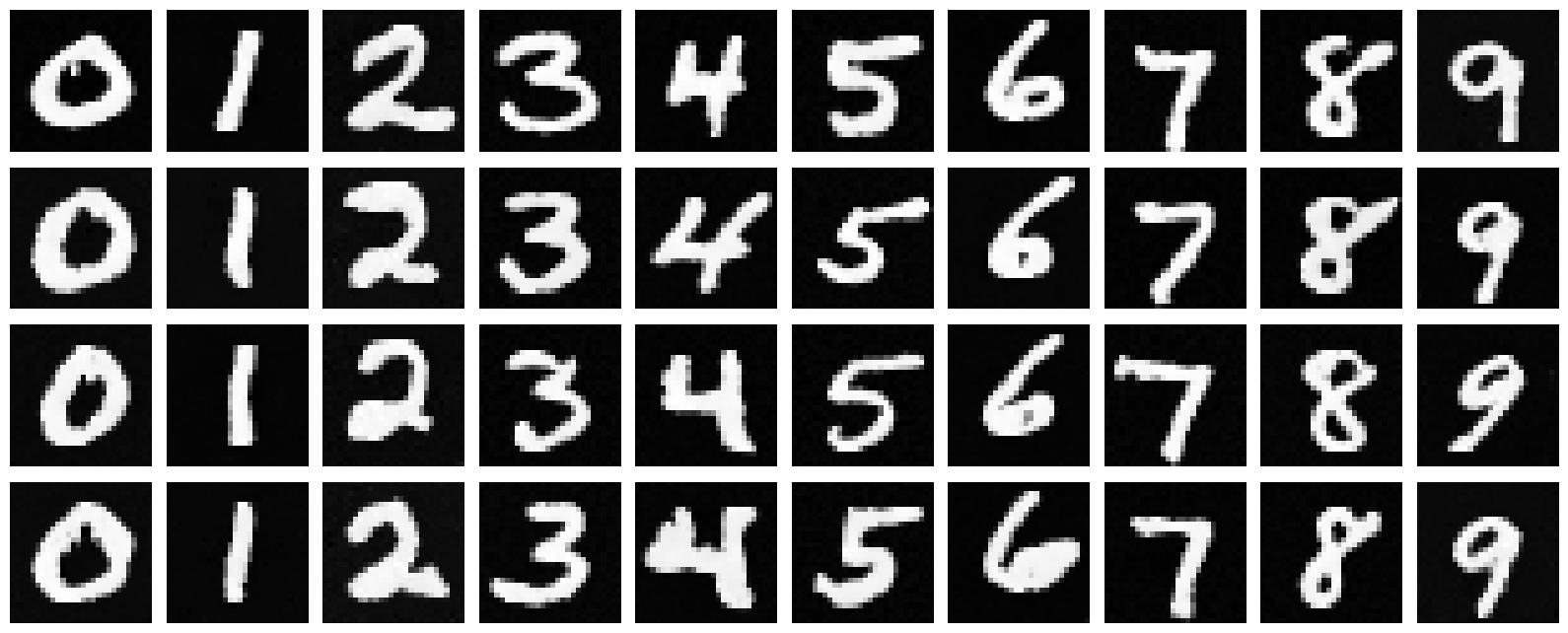
Epoch 10
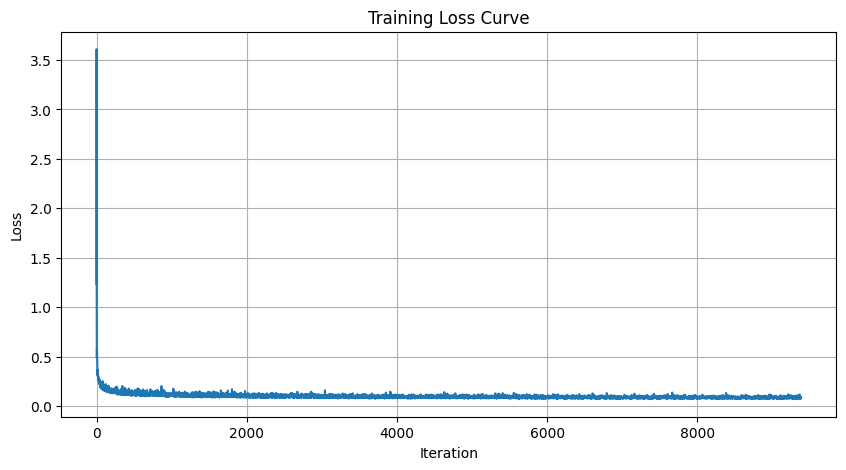
Training loss without scheduler